thru Nov 30

EnviroBiotics BioLogic Mini
Best for the reservoir: mattress, pillows and upholstery.
- Probiotic enzymes break down dust-mite allergen proteins on soft surfaces
- Under 25 dB — quiet enough for the nightstand
- Fragrance-free, no ozone, no filters; cartridge lasts up to ~90 days
- Cordless, up to 4 weeks per charge · rooms up to 300 sq ft
20% off on Amazon through Nov 30Prime shippingEasy returns
The tools that matter most for dust-mite allergies work on the bed and soft furnishings, because that’s where mites and their allergen live. Start with the EnviroBiotics BioLogic Mini on the nightstand to break down allergen on the mattress, pillows and upholstery, add allergen-proof encasements, wash bedding weekly at 130°F or hotter, and keep indoor humidity below 50%.
Key takeaways
- Dust-mite allergen is carried on relatively heavy particles that settle within minutes of being disturbed. It’s mostly found in bedding, upholstery and carpet, not floating in the air.
- Work from the bed outward: it’s the biggest reservoir and the place you spend the most hours.
- Dust mites need humidity. Keeping indoor relative humidity under 50% makes your home much less hospitable to them.
- Heat works: washing bedding at 130°F (54°C) or hotter is a widely recommended standard.
- A HEPA purifier helps with the airborne part; the BioLogic Mini works on the surfaces. Use both if you can.
On this page
Comparison table: dust-allergy tools at a glance
Ranked by how much each tool reduces dust-mite allergen where you actually come into contact with it, balanced against effort and cost.
| # | Tool | Type | Best for | Works on | Effort | Ongoing cost |
|---|---|---|---|---|---|---|
| 1 | Probiotic air & surface purifier | Allergen on mattress, pillows, upholstery | SurfacesAir (indirectly) | Set & forget | $$$ | |
| 2 | 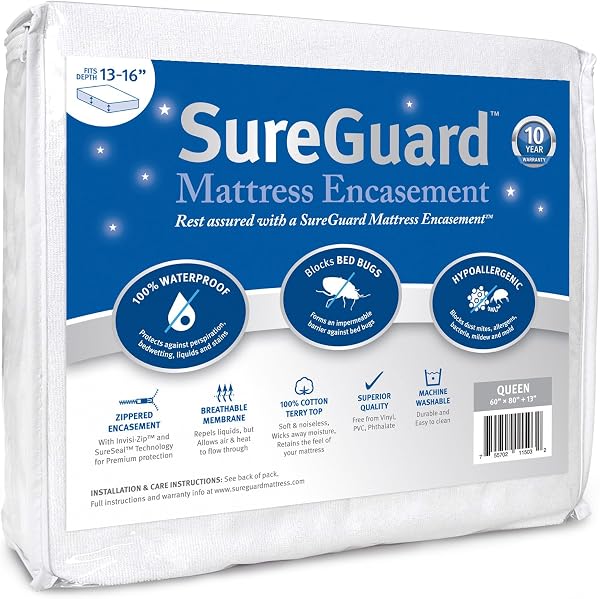 | Barrier covers | Sealing the mattress & pillows | Bed | One-time | $$$ |
| 3 | 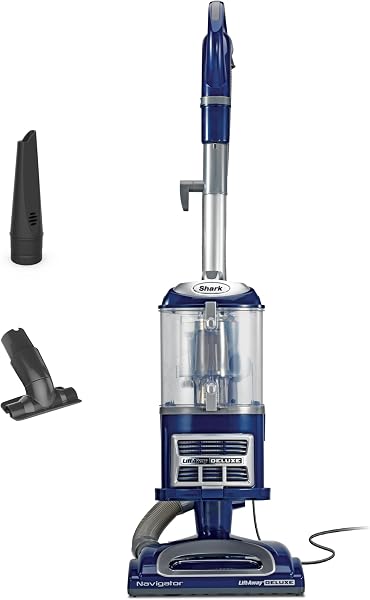 | Cleaning tool | Carpet, rugs, upholstery | Surfaces | Twice weekly | $$$ |
| 4 | 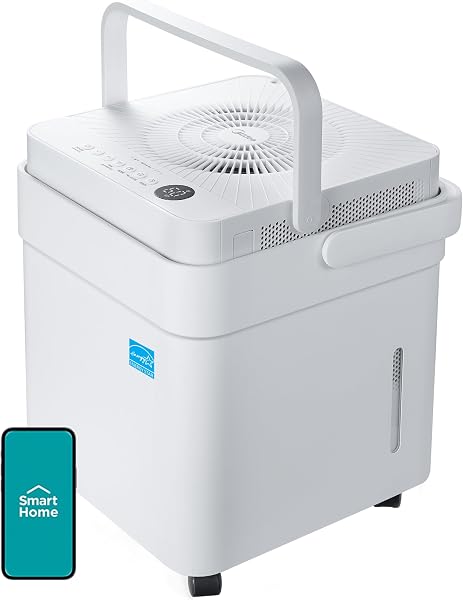 Dehumidifier + hygrometerOur pick: Midea Cube Dehumidifier + ThermoPro TP50 HygrometerDehumidifier: See it on AmazonHygrometer: See it on Amazon | Humidity control | Keeping RH under 50% | Whole room | Empty tank | $$$ |
| 5 | 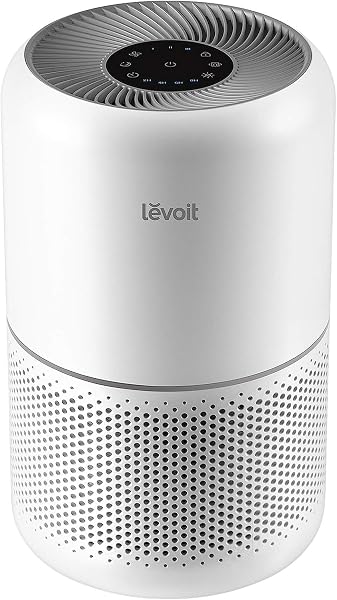 | Air purifier | Airborne particles after disturbance | Air | Filter swaps | $$$ |
| 6 | 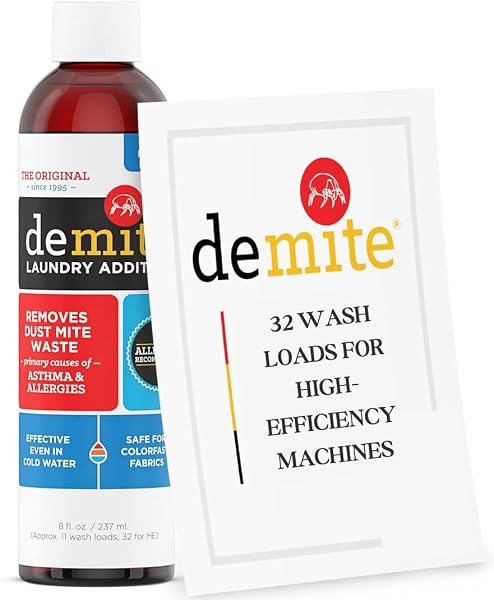 | Laundry routine | Sheets, pillowcases, duvet covers | Bed | Weekly | $$$ |
| 7 | 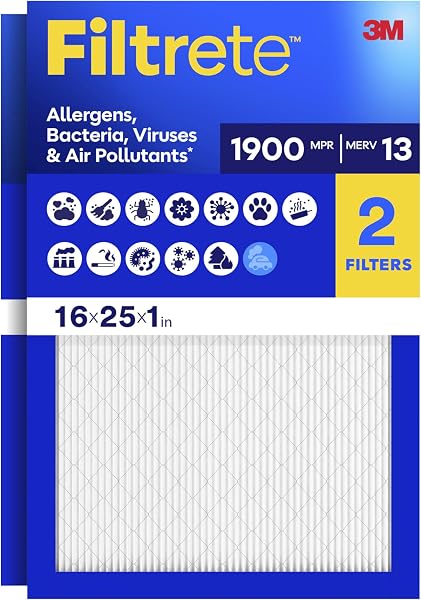 | System filter | Homes with forced air | Air | Every 1–3 months | $$$ |
| 8 |  | Cleaning tool | Dusting without stirring it up | Hard surfaces | Weekly | $$$ |
| 9 | 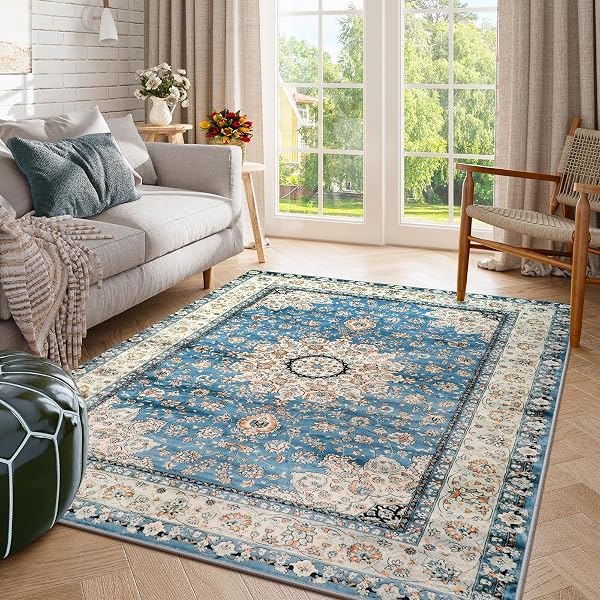 | Home swap | Shrinking soft reservoirs | Floors | One-time | $$$ |
| 10 | 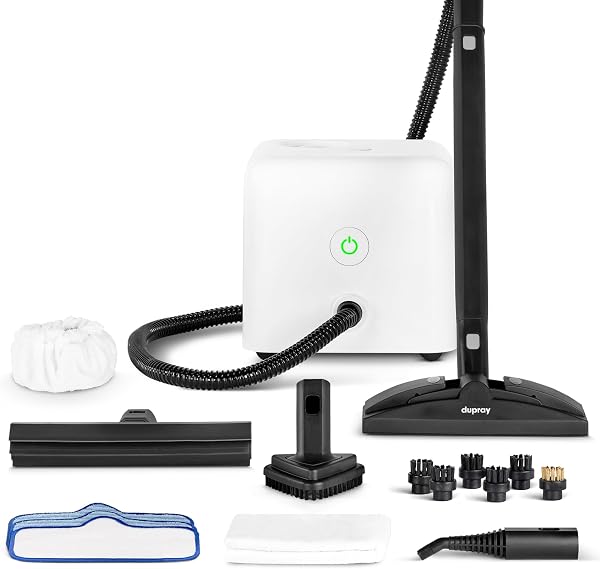 | Heat cleaning | Upholstery & mattress spot-care | Surfaces | Monthly | $$$ |
No single tool does it all — the routine section below shows how they fit together.
The top 10, ranked
Most of these aren’t gadgets — they’re the boring fundamentals allergists and allergy organizations keep repeating, because they work. We’ve ranked them by impact on the bedroom first.
EnviroBiotics BioLogic Mini
Best forThe reservoir: mattress, pillows and upholstery
Why it’s #1: the problem with dust-mite allergen is where it lives. Mites feed on skin flakes in your mattress, pillows and sofa, and their allergen-carrying debris stays there until something — rolling over, plumping a pillow, sitting down — briefly throws it into the air.
The BioLogic Mini works on that reservoir. Every few minutes it releases a light, fragrance-free probiotic mist that settles onto soft surfaces, where natural enzymes from the probiotics break down allergen proteins, including dust-mite allergen.
Independent testing by Indoor Biotechnologies in 2024, with a parallel simulation at EMSL Analytical Laboratories, found a cumulative, statistically meaningful decrease in dust-mite, pet-dander and mold allergens compared with baseline. (These are environmental results measured on allergens, not medical outcomes.)
Most owners notice a difference in 2–3 weeks.

Pros
- Works on bedding and upholstery between washes — continuously
- Nightstand-quiet (under 25 dB) for light sleepers
- Fragrance-free, no ozone; EPA-registered, MADE SAFE® certified formula
- No filters; one cartridge lasts up to ~90 days
Cons
- Doesn’t replace washing bedding — it works alongside it
- Doesn’t capture airborne particles like a HEPA filter
- Results build over weeks, not overnight
Skip it if: you’re looking for instant air cleaning during a dusty renovation — use a HEPA purifier and a sealed vacuum for that.
“Six months in, I sleep through the night now.”— Jay, New Jersey, dog owner
- Prime shipping
- Easy Amazon returns
- Rated 4.4/5 on Amazon
Results depend on the space. Not a medical device.
Allergen-proof mattress & pillow encasements
Best forSealing the biggest reservoir in the house
Encasements put a barrier between you and the mites already living in your mattress and pillows. Choose tightly woven, breathable fabric over crinkly plastic, make sure they zip fully closed, and wash them every couple of months. Pair them with the Mini, which keeps working on the duvet, top sheet and headboard the covers don’t reach.
Pros
- Low cost, high impact
- Install once, done
Cons
- Cheap versions can be hot or noisy
- Don’t cover duvets, throws or upholstery
Skip it if: you’re replacing your mattress and pillows anyway — encase the new ones from day one instead.
Sealed-system HEPA vacuum
Best forCarpet, rugs and upholstery without blowing dust back out
A vacuum with a HEPA filter but leaky seals can puff fine dust back into the room. “Sealed system” models route all exhaust air through the filter. If you have allergies, ask someone else to vacuum if possible, or wear a mask and leave the room for a while afterward.
Pros
- Removes settled dust from floors and fabrics
- Essential if you have carpet
Cons
- Vacuuming briefly stirs allergen into the air
- Quality sealed models cost more
Skip it if: you already own one — just check the filter and seals.
Dehumidifier + hygrometer
Best forHumid climates, basements and bedrooms above 50% RH
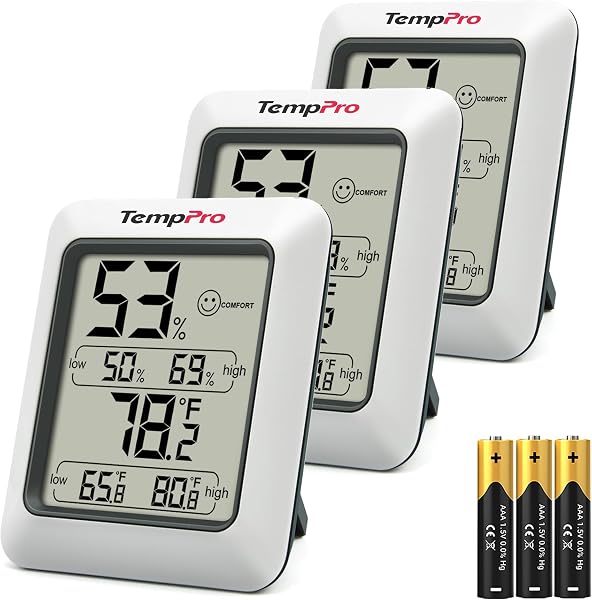
Dust mites don’t drink — they absorb moisture from the air — so humidity is their lifeline. Keeping indoor relative humidity under 50% is one of the most effective, least glamorous steps you can take. Buy a hygrometer first; if the bedroom regularly reads above 50%, add a dehumidifier sized for the room and empty it (or set it to drain) consistently.
Pros
- Makes the whole room less hospitable to mites
- Also discourages mold
Cons
- Running cost and some noise
- Unnecessary in dry climates
Skip it if: your hygrometer already reads 30–50% year-round.
HEPA air purifier for the bedroom
Best forCatching airborne particles after bedding is disturbed
Because dust-mite allergen settles quickly, a purifier catches it mainly in the minutes after you make the bed or plump the pillows. That still counts — especially for other airborne irritants — but it explains why a purifier alone often disappoints dust-allergy sufferers. It’s a strong supporting act, not the lead.
Pros
- Captures fine airborne particles of all kinds
- Quiet sleep modes on most bedroom models
Cons
- Doesn’t reach allergen settled in bedding
- Ongoing filter cost
Skip it if: budget is tight — encasements, hot washing and the Mini do more for dust mites specifically.
Weekly hot wash (130°F / 54°C or hotter)
Best forSheets, pillowcases and duvet covers
Washing bedding weekly in water at 130°F or hotter is a long-standing recommendation for dust-mite allergies. Check your water heater setting and your washer’s sanitize or hot cycle. For washables that can’t take heat, use a hot dryer cycle. Stuffed toys can go in the dryer too, or in a sealed bag in the freezer overnight.
Pros
- Costs almost nothing
- Removes allergen as well as mites
Cons
- Some fabrics can’t take the heat
- Benefit fades through the week as allergen rebuilds — another reason to run the Mini
Skip it if: never. This one is for everyone.
MERV 11–13 HVAC filter
Best forHomes with forced-air heating or cooling
Upgrading from a basic fiberglass filter to MERV 11–13 lets your HVAC system catch more fine dust every time it runs. It’s cheap and passive. Replace it on the schedule the manufacturer recommends, and run the system fan when you can.
Pros
- Whole-house filtration whenever the system runs
- Inexpensive
Cons
- Only works while air is moving
- Too dense a filter can strain some systems
Skip it if: you don’t have forced-air HVAC.
Damp microfiber dusting cloths
Best forDusting without launching dust into the air
Wipe nightstands, headboards, shelves and window sills with a lightly dampened microfiber cloth, then wash the cloths hot. It takes ten minutes a week and keeps dust from building up on hard surfaces around the bed.
Pros
- Cheap, reusable
- Doesn’t stir dust up
Cons
- Hard surfaces only
Skip it if: you already damp-dust weekly.
Washable, low-pile rugs and less soft clutter
Best forShrinking the reservoir for good
Every soft, hard-to-wash surface is a potential dust-mite habitat. You don’t need a minimalist bedroom — just fewer things that can’t be washed. Swap deep-pile rugs for washable low-pile ones, trim the decorative pillows, and move stuffed toys and piles of clothes out of the bedroom.
Pros
- Permanent reduction in places mites can live
- Makes every other step easier
Cons
- Upfront cost and effort
- Not always practical for renters
Skip it if: you have hard floors and a pared-back bedroom already.
Steam cleaner
Best forPeriodic heat-cleaning of upholstery and mattresses
High heat is hard on dust mites, which makes steam a useful occasional deep-clean for things you can’t put in the washing machine. The catch: steam adds moisture, and moisture is what mites need. Steam on a dry day, ventilate, let everything dry completely, then vacuum with your sealed HEPA vacuum.
Pros
- Reaches unwashable fabrics
- No chemicals needed
Cons
- Adds humidity if fabrics don’t dry
- Effect is temporary; allergen rebuilds
Skip it if: your home is humid and hard to dry out.
The one that works between washes
Encasements and hot washing reset the bed; the BioLogic Mini keeps working on it the other six days of the week. 20% off on Amazon through Nov 30.
Build your routine: a dust-allergy plan you can keep
Tools only help if they become habits. Here’s the routine in the order we’d set it up.
Once
- Encase mattress and pillows
- Place the BioLogic Mini on the nightstand (or wall-mount it)
- Put a hygrometer in the bedroom
- Upgrade the HVAC filter to MERV 11–13
- Swap a deep-pile rug for a washable one
Weekly
- Wash sheets and pillowcases at 130°F+
- Vacuum bedroom floors and upholstery with a sealed HEPA vacuum
- Damp-dust nightstands, headboard and sills
- Check humidity — aim for under 50%
Monthly
- Wash duvet, blankets and throws
- Steam-clean or deep-vacuum upholstery
- Charge the Mini if it isn’t plugged in (up to 4 weeks per charge)
Every few months
- Replace the Mini cartridge (up to ~90 days)
- Wash the encasements
- Replace HVAC and purifier filters per the manufacturer
Only doing one thing this month? Make it the bed. Encasements plus the Mini on the nightstand cover the place you spend a third of your life. See the BioLogic Mini on Amazon →
How we chose
We ranked these tools by how directly they reduce dust-mite allergen where people are exposed to it — mostly the bed and upholstery — then by effort, ongoing cost, noise and safety for households with kids and pets. Recommendations draw on how each tool works, guidance widely published by allergy organizations, manufacturer information and owner reviews. We did not lab-test third-party products. The BioLogic Mini is made by the team behind AllerHome; the full method and disclosure are on our How we rank page.
Dust-allergy tools FAQ
Do air purifiers help with dust mite allergies?
Somewhat. Dust-mite allergen is carried on relatively heavy particles that stay airborne for only a few minutes after being disturbed, so most of it sits in bedding, upholstery and carpet rather than in the air. A HEPA purifier catches it during those windows. To reduce the reservoir itself, pair the purifier with encasements, hot washing and a surface tool like the BioLogic Mini.
What actually reduces dust mites in a bedroom?
The highest-impact steps are allergen-proof encasements on the mattress and pillows, washing bedding weekly at 130°F or hotter, keeping humidity under 50%, and reducing soft clutter. The BioLogic Mini adds continuous work on the allergen left on soft surfaces between washes.
What humidity level do dust mites need?
Dust mites absorb water from the air and thrive in humid conditions. Keeping indoor relative humidity below 50% is the commonly recommended target. A digital hygrometer is the easiest way to check.
What temperature should I wash bedding at for dust mites?
130°F (54°C) or hotter is the widely cited standard. If a fabric can’t take hot water, a hot dryer cycle is the usual alternative.
How does the BioLogic Mini work on dust-mite allergen?
It releases a light, fragrance-free probiotic mist every few minutes. The probiotics — natural Bacillus strains found in soil and plants — settle on soft surfaces such as your mattress, pillows and sofa, where they release enzymes that break down allergen proteins, including dust-mite allergen.
Does the BioLogic Mini replace washing my bedding?
No. Washing resets the bed; the Mini keeps working on allergen in the days between washes and on things you can’t wash easily, like the mattress surface, headboard and upholstery. Use both.
Is the BioLogic Mini quiet enough for a bedroom?
Yes. It runs at under 25 dB, which is nightstand-quiet, and it’s cordless with up to 4 weeks per charge, so there’s no cord to route across the room.
Are allergen-proof encasements worth it?
For dust-mite allergies, encasements are one of the best-value steps you can take: a one-time purchase that puts a barrier around your mattress and pillows. Choose breathable, tightly woven fabric with a full zipper.

Start with the bed
Fragrance-free, filter-free and under 25 dB. Works on your mattress, pillows and the sofa you nap on.
- Prime shipping
- Easy returns
- Amazon reviews